Holiday hosting has a way of sneaking up on people. One minute it’s a casual “come by after dinner,” and the next minute the calendar is full of drop-ins, family overnights, and the occasional long visit that turns your home into a small village. The trick to enjoying this season is choosing a few professional, low-drama short-cuts that make hosting feel like part of life, not a second job.
Start with a simple truth: not every gathering deserves the same level of production. The most relaxed hosts quietly run two speeds. There’s “stop-over hosting” for the quick hello, and there’s “staying-awhile hosting” for guests who unpack a suitcase.
For short visits keep the food and setup deliberately easy. Paper plates are a sign of good sense. When the goal is warmth, conversation, and a low-key visit, freeing yourself from a mountain of dishes is smart hosting. Choose sturdy brands and napkins that feel pleasant to use, and no one will think twice. What they will notice is that you’re present and relaxed.
The same principle applies to snacks. Rely on a small “always-works” menu that can be assembled in minutes. A few dependable store-bought items alongside something warm is often enough. For example, treats from IKEA’s website, such as inexpensive cookies and scrumptious tarts from their restaurants that can be ordered ahead of time and thawed when needed. Puff pastry hors d’oeuvres from M&M Food Market are wonderful when time is tight and you want something hot to serve with drinks. People will appreciate the novelty and quality of the snacks.
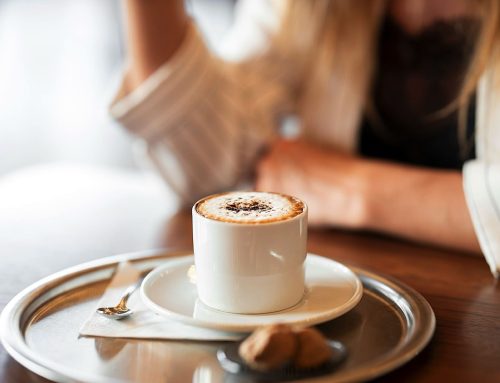
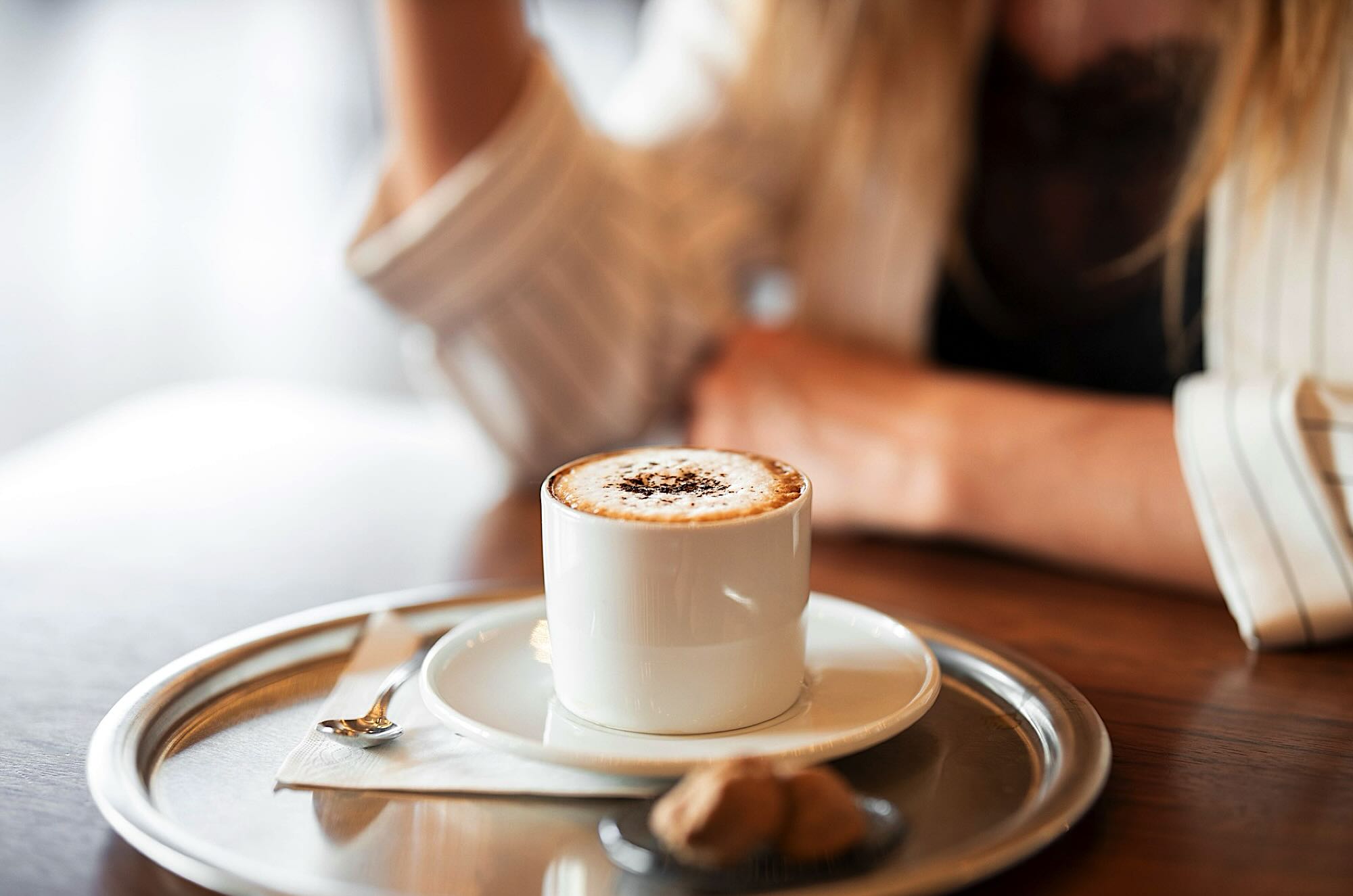
Set up one corner of the kitchen or dining table with plates, napkins, drinks, and snacks to be a self-serve station. Guests can help themselves, and you don’t end up getting up every time someone wants another cup of tea. This also makes your home feel welcoming even if people arrive in waves. It keeps you out of the role of waiter and in the role of host.
Longer visits need a different approach, especially when people stay for a week or two. The goal shifts from “impressing guests” to “making life flow.” A household can only stay cheerful when routines remain workable. The most effective hosts do three things early: clarify the layout, set realistic expectations, and create spaces for everyone to decompress.
Clarifying the layout is simple. Show guests where towels live, where mugs are kept, where snacks are fair game, and where coats and shoes should go. A guest who knows where things are becomes comfortable faster and doesn’t need constant help.
Mention morning rhythms, quiet hours, or how meals usually run in the house. A light sentence such as “Breakfast is help-yourself and we usually eat dinner around six” is enough. People appreciate knowing the shape of the day. It prevents awkward guessing and removes pressure to entertain at every hour.
Even in a small home, try to ensure that guests have one spot they can retreat to, and that you have one too. That might mean a reading chair in your bedroom, a corner of the living room that isn’t the social hub, or even a regular walk that becomes your daily reset. This way, longer visits feel like an integrated experience.
If guests offer to contribute, accept it. Give them a specific job that helps without creating chaos, such as picking up fruit, bringing sparkling water, or making one lunch during the week.
Hosting without the hassle is mostly about honesty. Be clear about what kind of gathering you’re offering, choose shortcuts that protect your energy, and let the season be social without becoming a performance.