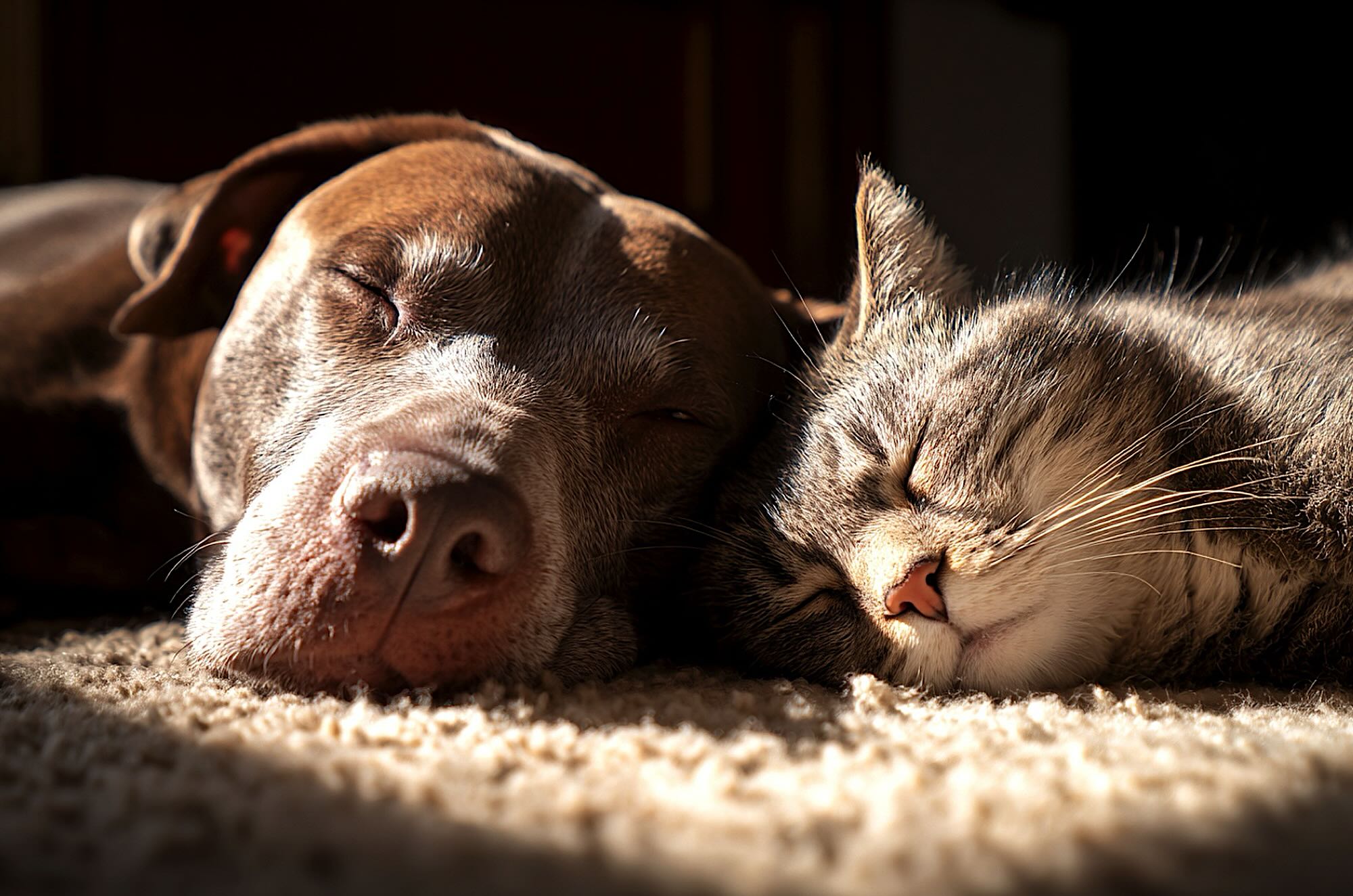
Pets have moved from the backyard to the centre of family life, and our homes are adjusting accordingly. In new builds and thoughtful renovations, it’s becoming common to see features designed with dogs and cats in mind, not as a novelty but as part of a home’s everyday function. For many buyers, especially those downsizing or choosing a long-term place to settle, a pet-friendly layout makes a home truly livable.
One of the clearest shifts is the rise of the dog wash or “pet spa” zone, often in a mudroom, laundry area, or garage entry. These are essentially deep utility sinks or low tiled basins with handheld sprayers. The value is practical: cleaning a dog after a walk becomes a simple routine instead of a wrestling match in the bathtub.
Another brilliant addition in newer homes is the built-in feeding station. Instead of bowls drifting around the kitchen, designers are tucking them into lower cabinets, pull-out drawers, or small nooks near the pantry. This keeps food and water in one clean, predictable place, reduces spills, and makes it easier for older pets to eat comfortably if the bowls are slightly raised. It’s small, but it changes the feel of a kitchen from “we’re managing pets” to “pets belong here.”
For cats, the equivalent trend is vertical living done beautifully. Cats don’t just want a spot on the floor; they want height, vantage points, and safe routes through a room. Newer builds are starting to include wall-mounted shelves, integrated catwalks near windows, or built-in perches that double as décor. They help cats feel settled, especially in smaller homes where outdoor access is limited.
Alongside that, we’re seeing smarter solutions for litter, crates, and pet storage. Instead of hiding these necessities in frustration, designers are giving them a dignified place. A litter box can live inside a ventilated cabinet with an easy-clean surface. Storage drawers for leashes, treats, and grooming tools near the entry also make life calmer; whoever is walking the dog doesn’t have to hunt for gear at the last minute.
What’s interesting is how these interior choices are now paired with community-level pet amenities. In many urban developments, you’ll find dog runs, pet relief areas, or nearby green corridors factored into the site plan. Some cities, including Toronto, have even published guidelines encouraging pet-supportive design in multi-unit buildings, because pets are part of how people live in higher density neighbourhoods. For buyers who walk a dog daily or care for an aging pet, these shared amenities matter as much as square footage inside the unit.
Designing for pets moves us toward homes that are more attentive and humane. We’re acknowledging that comfort isn’t only for humans, and that daily caregiving deserves smart support. When that support is built into the home it benefits everyone. Your dog gets a warm rinse after a snowy walk, your cat gets a perch where the world feels safe again, and you get a house that works with the life you actually live.