As we move through different chapters of life, many of us find ourselves looking at our belongings with fresh eyes. Pieces we once bought quickly or inherited can start to feel heavy. At the same time, there is a growing appreciation for objects that show their age, their repairs, and the hands that made or restored them. This is where irregular and imperfect aesthetics in recycled decor have something important to offer.
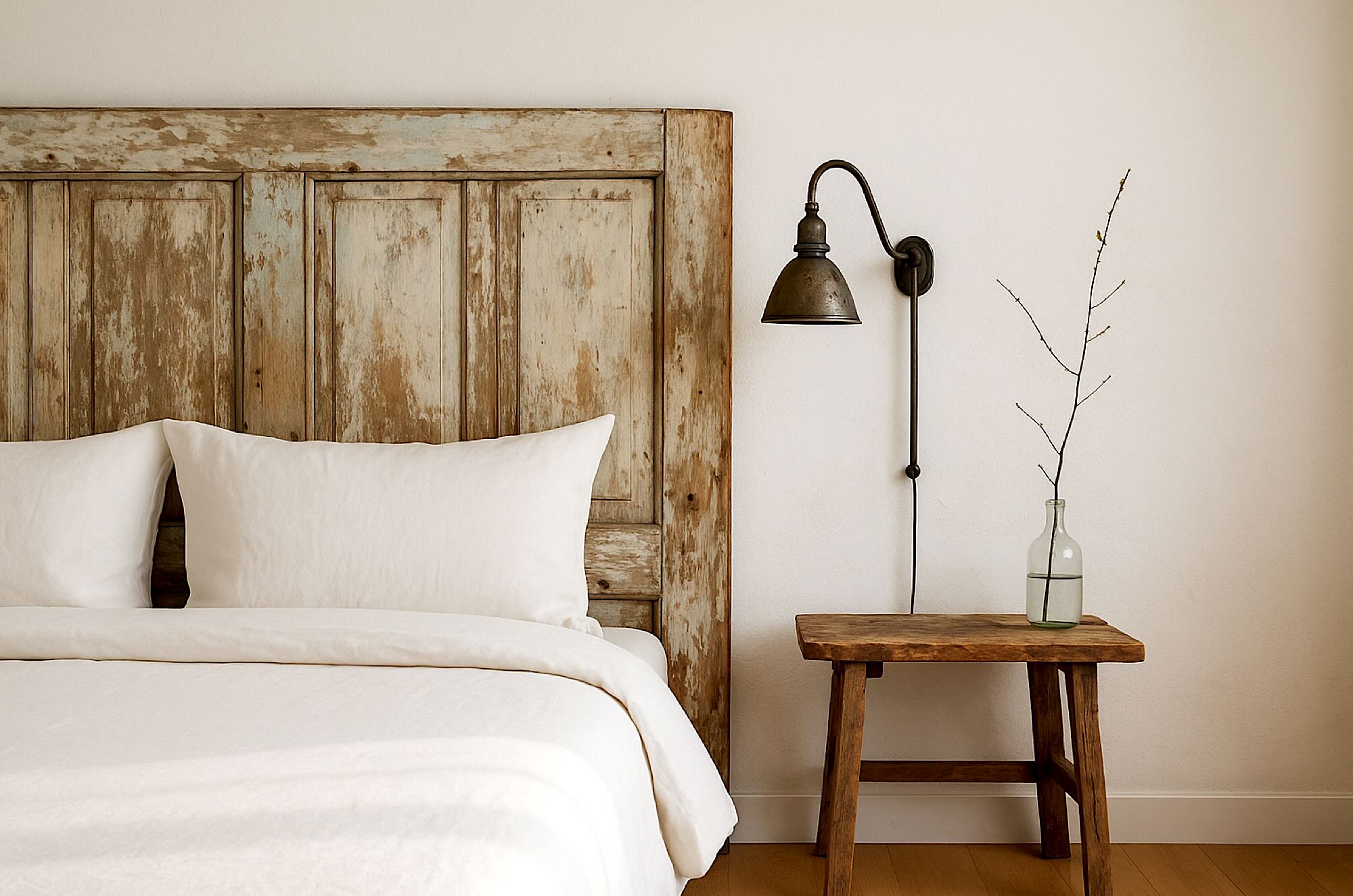
Perfection, at least in the glossy catalogue sense, is often quite flat. When everything in a room matches, gleams, and follows the same formula, there is very little room for memory or personality. By contrast, a wooden table with small dents and a slightly uneven surface tells you that people have eaten, written, and gathered around it for years. A ceramic bowl with a tiny wobble in its shape reminds you that a person, not a machine, formed it. These irregularities are not flaws to be hidden; they are evidence of life. When we choose recycled or secondhand pieces, we are inviting that lived history into our homes in a way that can feel both grounding and culturally luxurious.
Recycled decor can mean many things. It might be furniture found at a thrift shop or estate sale, a light fixture reclaimed from a renovation, or a simple glass jar that once held food now used as a vase. What binds these items together is that they have had a previous life and are being brought forward instead of discarded.
From a design perspective, the key to working with irregular and imperfect pieces is balance. A home entirely filled with distressed items can feel tired; a home in which one or two recycled pieces sit among simpler, calmer elements feels intentional. For instance, a slightly timeworn coffee table can be surrounded by a neutral sofa and plain rug, allowing the table’s patina to stand out without making the space feel cluttered. A pair of mismatched lamps can look charming on bedside stands if they share a general tone or theme. The guiding idea is to let the mismatched pieces be noticed without letting them dominate.
There is also a social dimension to this way of furnishing a home. Choosing recycled items can mean supporting local charity shops, small vintage dealers, and artisans who specialize in repair or reupholstery. Money spent in these places often circulates within the community in more meaningful ways than the same amount spent on mass-produced decor. In some cases, it may also connect you with the stories behind an object: who owned it, which house it came from, or how it was used.
Embracing irregular and imperfect aesthetics does not require a complete overhaul. It can begin with something as simple as rescuing a piece you already own that you had written off as too worn, or bringing home one secondhand object that genuinely speaks to you. Over time, these choices add up to a home that feels less like a showroom and more like a landscape. In a world that constantly pushes smooth surfaces and newness, allowing a bit of patina into your surroundings is a small but meaningful reminder that beauty often lives in what has already been tested and still stands.