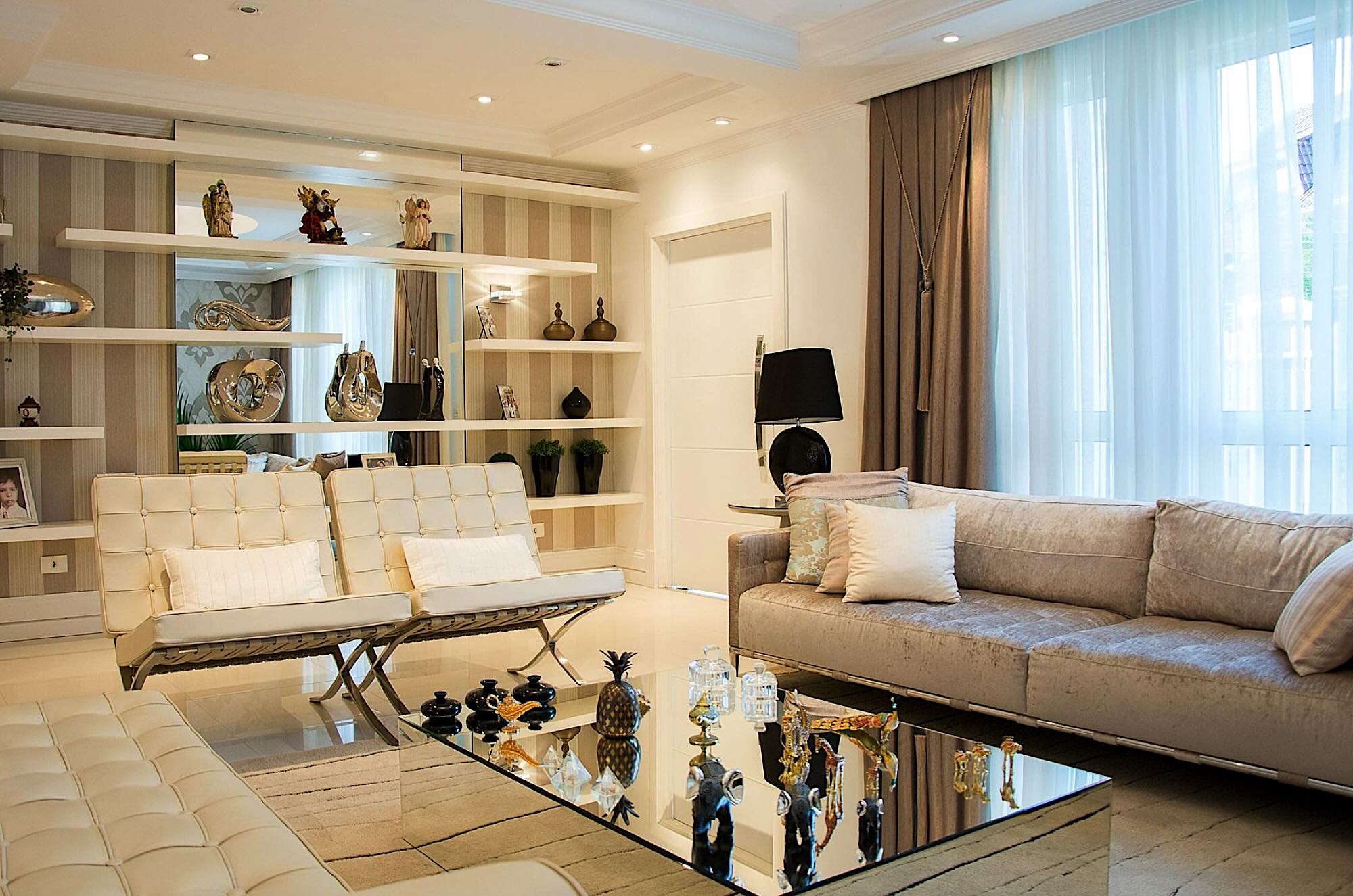
As many of us move into a stage of life where experience matters more than novelty, the idea of “less, but better” becomes appealing. Warm minimalism in 2027 reflects that shift. It is not about living in an empty condo or chasing a trend on social media. It is about creating spaces that are calm, functional, and genuinely supportive of daily life, without losing the personality and history that make a home feel like ours.
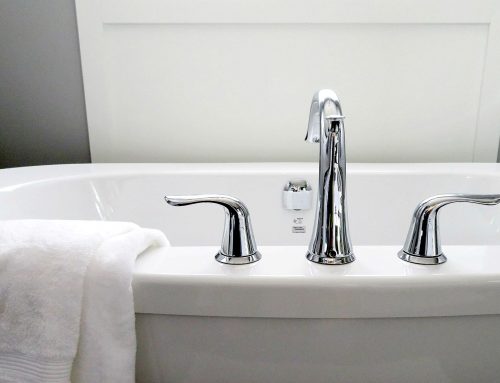
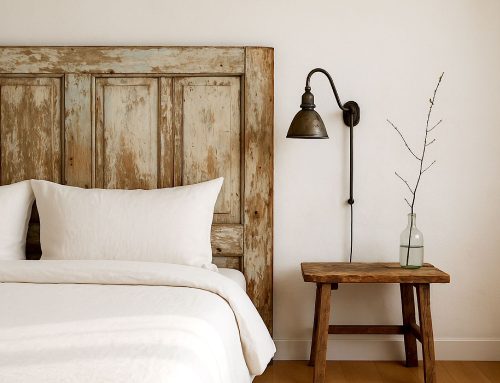
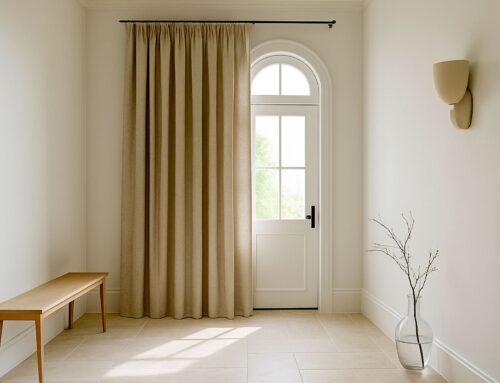
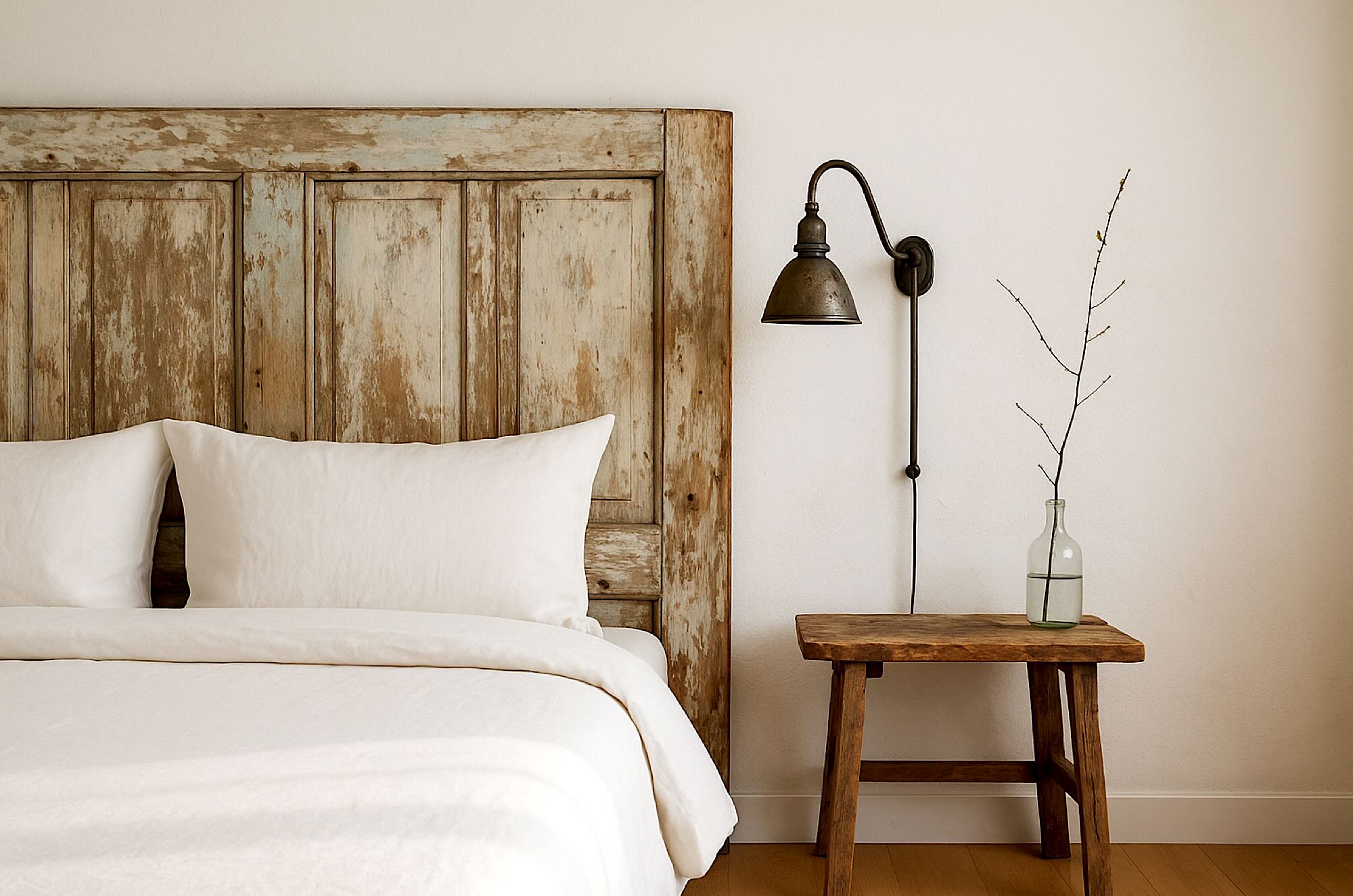
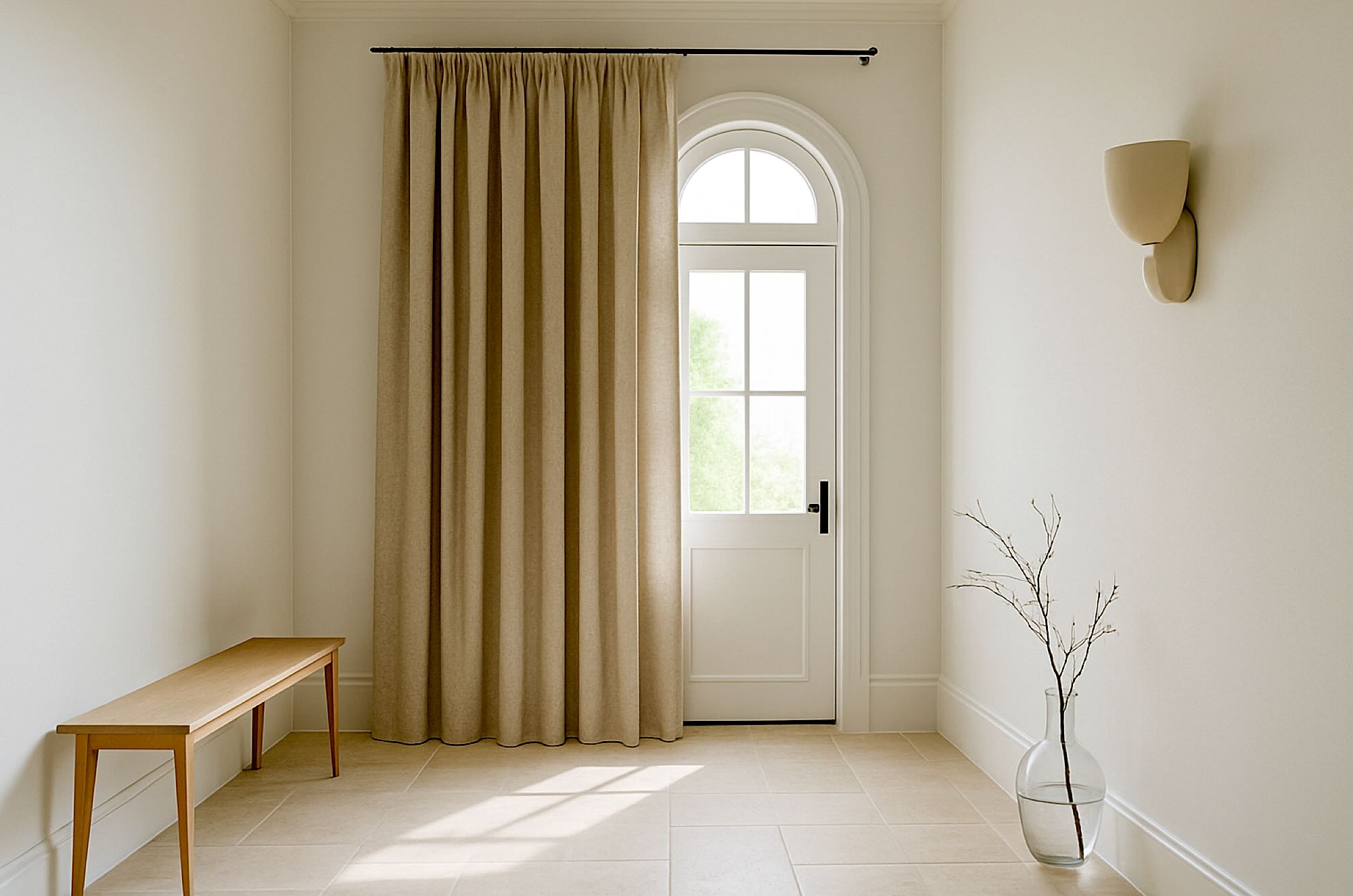
Warm minimalism differs from the cold, rigid minimalism of earlier decades. Instead of stark rooms and sharp edges, it leans into gentle, natural tones, soft light, and a feeling of quiet order. Surfaces are clear enough to be useful, yet not sterile. Colour tends to come in the form of warm whites, soft neutrals, and a few grounded accents such as clay, olive, or muted blue, rather than bold splashes in every corner. Texture does the work that busy-ness used to: linen cushions, a wool rug underfoot, a wooden table with a soft sheen, ceramic lamps with a matte finish. The overall effect is not “showroom” but settled.
If you are considering how to bring this approach into your own rooms, it helps to begin slowly. Rather than emptying entire spaces, choose one surface that you see often, perhaps a coffee table or a section of kitchen counter. Clear it completely, clean it, and then return only what you truly use there along with one or two objects that you find grounding, such as a favourite bowl, a small plant, or a lamp that casts warm light in the evening. Live with that change for a few days and notice how it alters the feel of the room and even your own rhythm as you move through it.
Once you have experienced the relief a clear surface can bring, the next natural step is to look at the broader colour story. Warm minimalism benefits from a coherent base. Walls and large items such as sofas, bed linens, and rugs are easier on the eye when they stay within a family of soft, natural tones. This does not mean giving up colour entirely. It means introducing deeper or richer shades in smaller touches, such as a throw over the arm of a chair, a piece of art above the dining table, or a single upholstered chair in a more saturated tone.
Many homes accumulate extra pieces over the years: an inherited side table, an additional bookshelf, a spare armchair that never quite fits. In a warm minimalist space, it is often better to have a smaller number of substantial, well-placed items than many small ones tucked into every corner. This is particularly valuable in condos and townhomes, where actual square footage may be modest but the experience of space can be improved dramatically.
Warm minimalism aligns naturally with a more sustainable and socially aware way of furnishing a home. When you decide to keep fewer objects, each one matters more. Before replacing anything, it is worth asking whether it can be repaired, refinished, or reupholstered. A solid wood dresser that looks dull today may respond beautifully to new hardware and a little care. This method is about choosing with intention rather than by habit.
The emotional side of this process is just as important as the visual one. Many of us carry decades of belongings that represent family life, work, travel, and change. Warm minimalism encourages you to bring the most meaningful pieces forward and let them breathe. One well-framed photograph or a single handmade quilt at the foot of a bed can say more about a family story than a collection of things.
For Home Staging
For those preparing a home for sale or rent, these choices offer practical benefits as well. A space that feels calm, lightly edited, and well cared for invites buyers to imagine their own lives there, rather than feeling as though they are stepping into someone else’s overflowing closet. At the same time, for those who plan to stay, warm minimalism can make daily routines smoother and more pleasant: cleaning takes less time, misplaced items are easier to find, and there is more room, quite literally, to think.
For buyers and renters, especially those in midlife and beyond, this kind of space is immediately legible. The eye can follow the light, notice the windows, and understand the layout without fighting visual noise. In person, there is often a sense that the home has been looked after, that it has not been overwhelmed by possessions. That feeling of stewardship can be as persuasive as any formal feature, particularly for people making careful decisions about what might be their last or longest home.
Conclusion
In the end, warm minimalism in 2027 is a way of relating to your home. It asks what truly serves you now, in this season of life, and what can be released. A single cleared table, a softened colour palette, or the decision to keep one beautiful, well-made piece instead of three forgettable ones can be enough to begin. From there, the space often tells you what it needs next, and the process becomes less about decorating and more about living well.